Featured Post
Black History Month Homeschool Activities (Age-Appropriate & Thoughtful)
- Get link
- X
- Other Apps
*Disclaimer: Some of the links in this post are affiliate links, which means I may earn a small commission if you make a purchase - at no extra cost to you. Thank you for supporting my blog.
✏️ Kids’ Washable Art Supplies Set (Amazon)
🧩 STEM Building Kit (Amazon)
🎨 Craft Supplies Organizer Box (Amazon)
🎲 Family Game Night Favorite (Amazon)
🗂️ Homeschool Planner (My Shop)
🧠LCD Writing Tablet (Amazon)
🪄 Quiet-Time Activity Book (Amazon)
Every February, I see the same thing happen—especially in homeschool spaces.
Parents want to honor Black History Month.
They care.
But they also feel stuck.
What do I teach?
How do I explain hard topics without overwhelming my kids?
What’s age-appropriate?
What if I say the wrong thing?
If you’ve ever felt that tension, you’re not alone. I’ve been there too.
Black History Month doesn’t have to feel heavy, performative, or rushed. It also doesn’t have to be a stack of complicated lesson plans that drain you before the month even begins. It can be gentle, thoughtful, meaningful—and still age-appropriate for young learners.
This post is here to solve that problem.
I’m sharing simple, no-prep (or low-prep) Black History Month homeschool activities that help children learn with respect, curiosity, and understanding—without fear or overwhelm. Whether you’re teaching a preschooler, elementary-aged child, or multiple ages at once, you’ll find ideas here that fit naturally into your homeschool rhythm.
Why Black History Month Matters in Homeschooling
Black history is not separate from American history—it is American history.
And homeschooling gives us a unique opportunity: we don’t have to rush through a single worksheet or limit learning to one week. We can slow down, ask questions, and humanize the stories behind the history.
For children, especially younger ones, Black History Month is less about memorizing dates and more about:
-
Learning empathy
-
Recognizing courage and perseverance
-
Seeing role models who changed the world
-
Understanding fairness, kindness, and justice in age-appropriate ways
When we approach it thoughtfully, children don’t feel confused or scared—they feel inspired.
How to Teach Black History Month in an Age-Appropriate Way
Before we jump into activities, let’s talk about how to approach this month.
Focus on People, Not Just Pain
Young children don’t need graphic details or heavy explanations. Start with stories of people—their dreams, talents, creativity, and bravery.
Use Honest but Gentle Language
You don’t need to avoid hard topics entirely. You can explain unfairness simply:
“Some people were treated unfairly because of the color of their skin, and others worked very hard to change that.”
That’s enough for many children.
Keep It Consistent, Not Overwhelming
A little learning each day goes much further than one long lesson a week.
Black History Month Homeschool Activities by Category
Below are thoughtful, meaningful activities you can mix and match throughout February.
1. Read-Alouds That Spark Gentle Conversations
Books are one of the most powerful tools we have as homeschool parents.
Some beautiful age-appropriate Black History Month books include:
-
Henry’s Freedom Box by Ellen Levine (for older elementary)
Simple Activity:
After reading, ask:
-
“What do you notice about this person?”
-
“What did they do that was brave or kind?”
-
“How do you think they felt?”
No worksheets required. Just connection.
2. Biography-Based Learning (Without the Overwhelm)
Instead of trying to cover everyone, choose one or two historical figures per week.
You might focus on:
-
Martin Luther King Jr.
-
Rosa Parks
-
Harriet Tubman
-
Mae Jemison
-
George Washington Carver
Easy Homeschool Idea:
Create a “Person of the Day” routine:
-
Read a short biography
-
Look at photos
-
Talk about what they’re known for
-
Draw a picture or write one sentence about them
This works beautifully for multi-age homes.
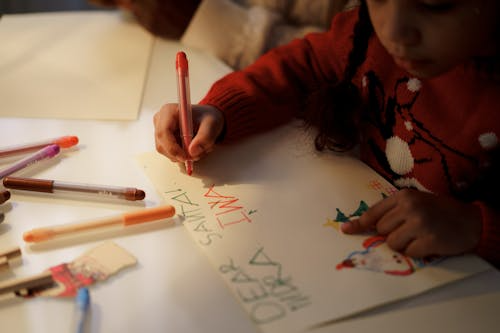
3. Art Activities That Tell a Story
Art allows children to process ideas in a non-verbal, creative way.
Black History Month Art Ideas:
-
Draw portraits of historical figures
-
Create freedom quilts using construction paper
-
Paint symbols of hope, unity, or peace
-
Make a collage using words like brave, strong, kind, leader
Art doesn’t need to be perfect—it just needs space.
4. Music & Movement Learning
Music is history, culture, and storytelling all in one.
Easy Ideas:
-
Listen to jazz artists like Louis Armstrong
-
Explore spirituals and discuss how music helped people feel hopeful
-
Clap rhythms, move to the music, or draw while listening
Ask:
“How does this music make you feel?”
That simple question opens so many doors.
5. Conversation Starters for Emotional Understanding
Black History Month can bring up big feelings—fairness, sadness, courage, empathy.
Children often need help talking about those feelings.
Use conversation prompts like:
-
“What does fairness mean to you?”
-
“How can we stand up for others?”
-
“What makes someone a good leader?”
This kind of emotional learning is just as important as academics—and often missing from traditional curricula.
6. Timeline Activities (Simplified)
Timelines don’t have to be complicated.
Try This:
-
Choose 5 key events
-
Draw a simple line on paper
-
Add pictures instead of dates for younger kids
The goal is understanding sequence—not memorization.
7. Everyday Kindness & Real-Life Connections
One of the most meaningful ways to honor Black History Month is through action, even small ones.
Ideas:
-
Practice kindness intentionally
-
Talk about treating everyone with respect
-
Read stories featuring diverse families regularly—not just in February
This helps children see that learning doesn’t stop when the month ends.
Common Questions Homeschool Parents Ask
“What if I don’t know enough?”
You don’t need to be an expert. Learning with your child models curiosity and humility.
“What if my child asks a hard question?”
It’s okay to say:
“That’s a great question. Let’s learn more together.”
“Is this too much for young kids?”
Not when it’s done gently, honestly, and thoughtfully.
How to Keep Black History Learning Going All Year
Black history doesn’t belong in a box labeled “February.”
You can:
-
Rotate diverse books year-round
-
Highlight Black scientists, artists, and leaders naturally
-
Choose inclusive curriculum resources
This teaches children that history is shared—not segmented.
A Gentle Reminder for Homeschool Parents
You are not expected to do this perfectly.
Showing up with intention matters more than saying everything right.
Your child will remember:
-
The stories you read together
-
The conversations you allowed space for
-
The care you showed in how you taught
That’s real learning.
Final Thoughts
Black History Month in your homeschool doesn’t need to be loud or complicated to be powerful.
When approached with gentleness, honesty, and care, it becomes an opportunity—not a burden.
If this post helped you feel more confident, less overwhelmed, or inspired in any way, I’d truly love to hear from you.
💬 Leave a comment below and tell me:
-
What ages are you homeschooling?
-
Or which activity you’re excited to try this February?
You’re not doing this alone—and you’re doing better than you think.
📚 Explore More Helpful Amazon Finds
👉 Best Educational Books for Kids (Amazon)
👉 Top Learning Toys for Kids (Amazon)
👉 Learning Toys for Kids Ages 12+ (Amazon)
👉 Homeschool Supplies for Every Grade (Amazon)
👉 Preschool Learning Tools & Activities (Amazon)
👉 Hands-On STEM Kits & Projects (Amazon)
👉 Arts & Crafts Supplies for Kids (Amazon)
👉 Kids’ Activity Books & Workbooks (Amazon)
👉 Mom Organization Tools & Planners (Amazon)
👉 Family Games & Fun Activities (Amazon)
👉 Self-Care + Motivation Favorites for Moms (Amazon)
Related Posts You Might Enjoy:
Comments
Post a Comment